

Imagine coming home to find your front door ajar. Panic sets in. You rush to the bedroom closet. Is the jewelry box gone? What about the passports?
It is a nightmare scenario, but one that happens more often than we’d like to admit. Relying on a shoebox in the attic or the freezer to hide your valuables simply doesn’t cut it anymore. Finding the best safe for home usage isn’t just about buying a heavy metal box; it’s about buying time against burglars and protection against disasters like fire or floods.
Whether you need to secure emergency cash, heirlooms, or vital documents, this guide will walk you through exactly what to look for, the different ratings that actually matter, and how to choose a safe that offers genuine peace of mind.
Table of Contents
Why A Cookie-Jar “Hiding Spot” Isn’t Enough
Many homeowners assume a locked front door is security enough. However, statistics show that once a burglar is inside, they head straight for the master bedroom.
A dedicated home safe acts as the final line of defense. But not all safes are created equal. A cheap tin box might stop a curious toddler, but it won’t stop a determined thief with a crowbar, nor will it protect your birth certificates from a house fire.
To choose the best safe for home security, you need to categorize your risks:
- Burglary Protection: You need thick steel, complex locking mechanisms, and the ability to bolt the unit down.
- Environmental Protection: You need insulation that maintains a low internal temperature during a fire and seals against water damage.
Top Categories: Finding the Right Safe for Your Needs
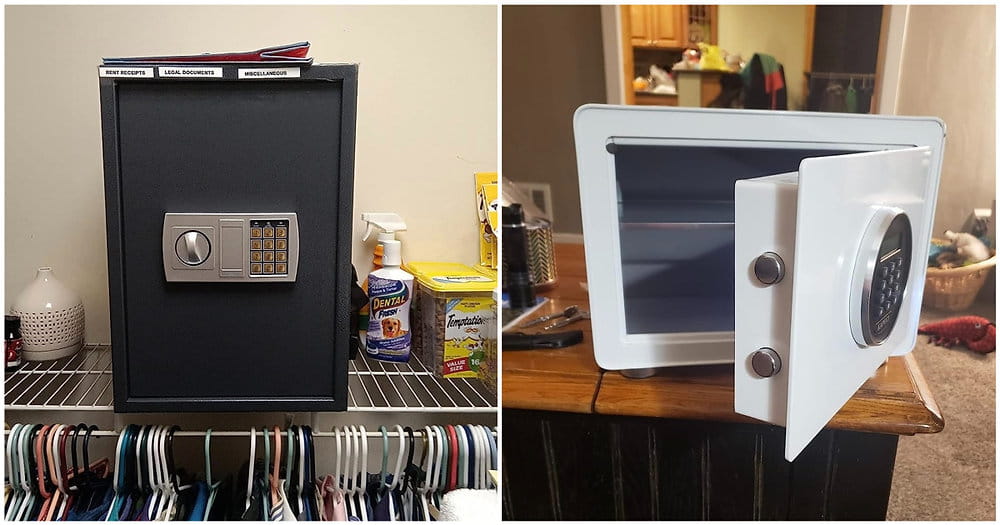
Because “one size fits all” rarely applies to security, we have broken down the top contenders based on specific needs.
1. The Best Safe for Documents (Fire-Resistant)
If your primary goal is protecting deeds, wills, passports, and social security cards, prioritize a UL-rated fire safe.
- What to look for: Look for a UL Class 350 rating. This means the internal temperature won’t exceed 350°F (the point where paper chars) for a specified time (usually 1 hour or 2 hours) even when the outside is 1700°F.
- Pro Tip: Many fire safes are made of thinner metal and are easier to break into. If you have high-value items and documents, get a hybrid safe or hide your fire safe inside a burglary safe.
2. The Best Safe for Valuables and Cash (Burglary-Rated)
For jewelry, gold, or large amounts of cash, a fire safe isn’t enough. You need a Burglary Safe.
- Construction: Look for solid steel doors (at least 1/2 inch thick) and heavy-gauge steel bodies (12-gauge or thicker).
- Ratings: Look for a UL RSC (Residential Security Container) rating or higher (like TL-15). These have been tested against professional attacks using drills and hand tools.
3. The Best Quick-Access Safe (Biometric)
For items you need to reach instantly like a home defense firearm or medication a biometric safe is ideal.
- Speed: Opens with a fingerprint scan in under 2 seconds.
- Reliability: Ensure it has a backup key or keypad in case the battery dies or your hands are wet/dirty.
Critical Features: A Buyer’s Checklist
When shopping for the best safe for home installation, ignore the flashy marketing terms and check the specs.
Locking Mechanisms: Biometric vs Keypad vs Dial
- Biometric (Fingerprint): Fastest access. Great for bedside safes. Downside: cheaper models can be finicky with wet fingers.
- Electronic Keypad: Very popular and reliable. Allows you to set your own code and change it easily. Downside: Requires battery changes.
- Mechanical Dial: The classic “bank vault” lock. Extremely durable, no batteries required, and very hard to manipulate. Downside: Slower to open and you can’t easily change the combination yourself.
Understanding Steel Gauge
The lower the gauge number, the thicker the steel.
- 18-20 Gauge: Very thin (like a filing cabinet). Avoid for expensive valuables.
- 14 Gauge: Decent for basic home security.
- 10-12 Gauge: Strong resistance against axes and pry bars. Recommended for serious security.
Installation Hardware
A 50-pound safe is just a convenient carrying case for a thief. The best safe for home is one that stays in the home. Always look for pre-drilled anchor holes and included mounting hardware to bolt the safe to the floor or wall studs.
Common Mistakes to Avoid:
Insight: The biggest mistake people make is buying a safe that is too small. Always buy a safe at least 30% larger than you think you need. You will inevitably find more things to put in it.
- Ignoring the Humidity: Safes are sealed tight. This can trap moisture and cause mildew on documents or rust on guns. Always purchase a silica gel pack or a dehumidifier rod.
- Relying on “Fireproof” for Media: Standard fire safes protect paper. They do not protect USB drives, hard drives, or old film negatives, which melt at much lower temperatures. You need a specialized media safe for digital backups.
- Hiding the Key Inside: It sounds obvious, but many people leave the emergency backup key in a desk drawer near the safe. That is the first place a thief looks.
Where to Install Your Safe:
Location matters just as much as the steel rating.
- The Master Bedroom: Convenient for daily use, but the first target for thieves. If you place it here, bolt it down securely inside a closet or furniture.
- The Basement: Great for heavy, fireproof safes because concrete floors support the weight and offer natural fire resistance. However, be wary of flood risks.
- Guest Room / Office: often overlooked by smash-and-grab burglars who are in a hurry.
Conclusion:
Investing in the best safe for home security is one of the smartest moves you can make to protect your family’s future. It provides a centralized, secure location for the things that are difficult or impossible to replace.
Don’t wait for a break-in or an accident to realize you need one. Assess your valuables, choose a safe with the right combination of fire and burglary ratings, and most importantly bolt it down.
Frequently Asked Questions:
What is the difference between a fire safe and a burglary safe?
A fire safe is designed with insulation to keep heat out, often using lighter gauge metal that can be easily pried open. A burglary safe uses heavy steel to stop tools but may conduct heat rapidly. The best safe for home use is often a hybrid that offers both RSC burglary ratings and UL fire protection.
How heavy should a home safe be?
If you cannot bolt the safe down, it should weigh at least 100+ pounds to deter a “carry-out” theft. However, a lighter safe (30-50 lbs) bolted into a concrete floor is often more secure than a heavy unbolted safe.
Are digital safes reliable?
Yes, modern high-quality digital locks (specifically those that are UL-rated) are very reliable. Just remember to change the batteries annually. Always ensure your safe has a mechanical key override in case of electronic failure.
Can a safe be both fireproof and waterproof?
Many safes claim to be water-resistant, protecting contents from sprinkler systems or fire hoses. However, very few are truly “waterproof” against submersion. If you live in a flood zone, prioritize water-resistant seals and store items in waterproof bags inside the safe.
